Clean-Up Comes Before the Daily Routine
In about one in four roles we mapped this year, the first task was clearing a backlog before any daily routine could start. What that backlog looked like.
21 October 2026
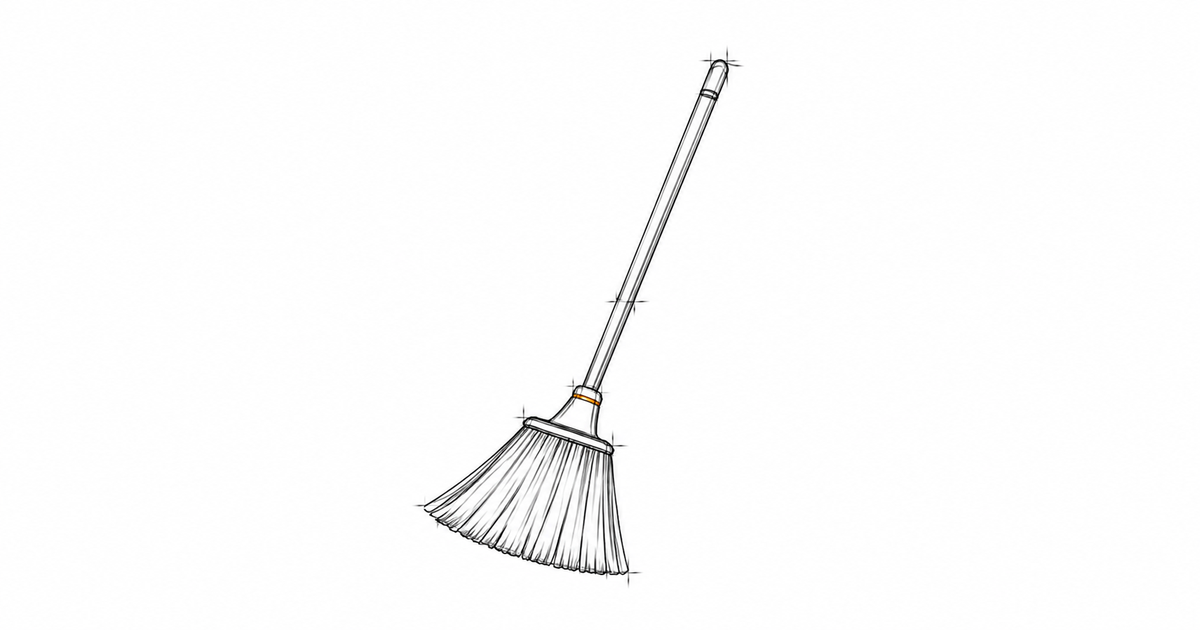
This year, in about one in four businesses we mapped work with, the first task in the new role was clearing a backlog. The daily routine could not start until that was done.
The backlog took different forms: an inbox described as a mess, months of unmatched supplier invoices and credits, email filters that needed rebuilding, and a legacy shared drive.
What had to be cleared first
- The inbox. The first task was cleaning out the inbox. The daily workflow could not be mapped until that was done.
- Supplier invoices and credits. Old supplier invoices and credits had to be cleared before the assistant took over accounts payable. Left in place, they would have carried into every new reconciliation.
- Email filters. Filters were sending items to the wrong folders. They were replaced by the assistant reading and labelling each email, which meant sorting the existing folders first.
- Templates and the shared drive. Templates existed but were outdated and used inconsistently. Restructuring the shared drive was deferred until the assistant had learned the work.
Why the routine waits for the clean-up
A daily routine runs on top of whatever is already there. An inbox routine assumes the inbox is current. An accounts payable reconciliation assumes the old mismatches are gone.
Started on top of a backlog, the routine carries the backlog with it.
Some clean-up waits for the work to be learned
The shared drive went the other way. Restructuring it was deferred until the assistant had learned the work.
Our reasoning: a drive organised by someone who knows how the work moves through it can follow the work. Organised in the first week, it would reflect a guess.
Planning the first weeks around it
Our reading is that a new hire rarely starts on a clean system. Planning the first weeks with the clean-up in them means the role is judged on its own work, after the starting point it inherited has been cleared.
A few questions show how much clean-up a role will inherit:
- What state is the inbox in today? If the daily workflow can’t be described until it is cleared, clearing it is the first task.
- Are old invoices or credits sitting unmatched in accounts payable? Those come before the first reconciliation.
- Do your filters and folders still send things to the right place? If not, the folders get sorted before any new labelling starts.
- Which clean-up can wait until the new hire knows the work? The shared drive was one.
We have written about how the first weeks of a new role are set up. The clean-up sits at the front of them.
Listing the backlog before the role starts
When we map a role with an owner before a new hire starts, any backlog the role inherits is listed as work in its own right, ahead of the daily routine, with a note of what can wait until the work is learned.
You can see how that setup works. If the role you are about to fill starts with a backlog, book a Role Plan call.
Ready to build
your back office?
Book a call with Dusty. We work out the first role to hire, and afterwards you get your Role Plan in writing.
Related articles
The Signal That Lets an Owner Step Back
An owner stepped back from a remote role and had no regular view of what was done. The setup behind it, and the signal agreed for the new role.

Onboarding New Starters Every Week: Where the Hours Went
In one business onboarding casual staff every week, about one in ten new starters needed no follow-up. Where the rest of the time went, and the fix at intake.
The Chasing Inside the Admin You Hand Over
In about one in three businesses we map with, a large share of the admin handed to a remote hire is chasing people. What gets chased, and the rules it runs on.